
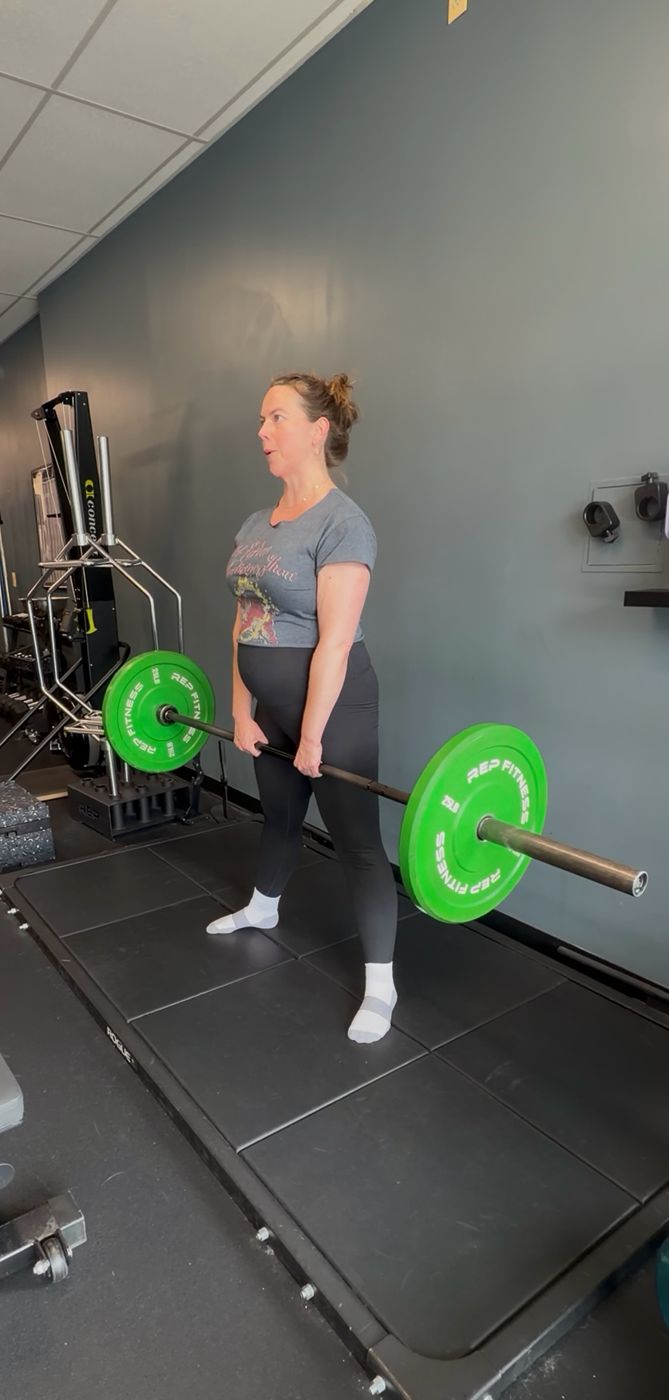
When you find out you are expecting, your first instinct might be to step back from the barbell and take it easy. However, the narrative around prenatal fitness has drastically shifted. During pregnancy, fitness isn’t about performance, it’s about preparation, support, and recovery.
Strength training is not just safe for most pregnancies; it is incredibly necessary. As your body undergoes rapid structural and hormonal changes, maintaining a strength routine helps support your joints, improves your posture, and prepares you for the physical demands of labor and motherhood.
Here is a guide to how your body changes and how you should adapt your strength training through each trimester, keeping safety and efficacy at the forefront.
The Changing Body: Why We Must Adapt
Before diving into the trimesters, it is essential to understand the physiological shifts occurring in your body:
- Relaxin: This hormone increases to support pelvic expansion for birth, but it also causes increased flexibility in ligaments and joints throughout your entire body. This means controlled movement becomes more important than intensity.
- Increased Blood Volume: Your blood supply increases by about 30–50%, meaning your heart has to work much harder to support both you and your baby. Because of this, you may fatigue quicker.
- Structural Shifts: As the baby grows, your center of gravity shifts forward, leading to postural changes like an increased pelvic tilt, rib flare, and rounded shoulders.
Takeaway: Pay less attention to your heart rate monitor and use the RPE (Rate of Perceived Exertion) scale. Emphasize the quality of your movement over the load or the speed. Exercise should be modified, not eliminated!
Trimester 1 (Weeks 0-13): Building the Foundation
During the first trimeste
r, your energy and fatigue levels may fluctuate wildly. Adjust your workout intensity accordingly.
- The Focus: Prioritize movement quality and posture rather than pushing for heavier loads.
- The Movements: Emphasize breathing, core engagement, and fundamental functional patterns. Gentle progression is perfectly fine if you already had a fitness routine in place.
- Safety First: Avoid overheating, prioritize hydration, and take ample rest between your sets.
Trimester 2 (Weeks 14-27): Adjusting to the Shift
As your belly noticeably grows, your center of gravity shifts, meaning your balance will be challenged.
- The Focus: Adjust your stance and balance work to accommodate your new center of gravity. Conditioning should remain at a moderate, conversational pace.
- The Movements: Continue with functional exercises like squats, hip hinges, rows, and carries. Strength training right now is highly beneficial for joint support and overall comfort.
- Safety First: Because relaxin is increasing your joint mobility, emphasize controlled movements. It is also time to limit prolonged supine (lying flat on your back) positions—opt for upright or supported variations instead.
Trimester 3 (Weeks 28-40): Comfort and Stability
In the final stretch, you are dealing with significant abdominal pressure and reduced mobility.
- The Focus: Prioritize comfort, support, and stability in absolutely all movements. Shorter, more frequent sessions may feel much better than long, grueling workouts.
- The Movements: Focus heavily on core, pelvic floor, and breath coordination.
- Safety First: Modify your range of motion. Because relaxin levels are at their highest, you must avoid end-range stress on your joints. Listen to your body and take rest and recovery periods as needed.
Postpartum Recovery: Rebuilding Strength Safely After Pregnancy
Whether you have a vaginal birth or a C-section, postpartum exercise is about gradual rehabilitation. Your core and pelvic floor have undergone massive changes, and ligaments will remain flexible for several weeks postpartum.
- Vaginal Birth: Focus first on pelvic floor activation and gently reintroducing core exercises using breath and stability. Gradually begin low-impact strength work (squats, hinges, rows), usually around 2–6 weeks postpartum with medical clearance.
- C-Section: Remember that your abdominal wall was surgically incised. Focus on gentle core reconnection and breathing before ever loading the abdominals. Strengthen your posterior chain (glutes and back) to support posture. Return to full strength training is gradual, typically starting 6–10 weeks postpartum with doctor clearance.
- Diastasis Recti: If you experience a midline gap along the stomach (separation of the rectus abdominis), avoid traditional crunches or movements that push pressure outward. Instead, focus on deep core activation and pelvic floor engagement.
The Takeaway for Postpartum: Progress should be based on movement competency, not a strict timeline. Prioritize quality over quantity (form first, load second) and expect gradual progression—true postpartum recovery can take months.
By modifying your routine, prioritizing safe movement mechanics, and honoring your body’s changing needs, you can stay strong, capable, and confident throughout your entire pregnancy journey.